


MentalUP Brain Games For Kids
4.2386.00 Reviews
App Specs
- Version
- 7.7.9
- Updated On
- License
- Free
- Downloads
- 10,000,000+
- Developer
- MentalUP - Learning Games for Kids
- Categories
- Educational
- Platform
- Android
Screenshots

 Analysis by AppCompare
I look at children’s brain games as a useful way to turn a spare few minutes into a focused activity, not as a replacement for schoolwork, reading, or play away from a screen. MentalUP Brain Games for Kids is an educational game from MentalUP - Learning Games for Kids, aimed at children and built around short cognitive activities. Its child-friendly presentation is part of the appeal, but what matters most to me is whether the activities fit comfortably into an ordinary family routine.
A quick fit for everyday family routines
For a realistic use case, imagine a child waiting for dinner or sitting through a quiet stretch during a journey. A short round can be easier to offer than a long lesson or a video that keeps running in the background. I would set a simple boundary first: choose a brief play window, then put the device away and talk about which challenge felt easy or tricky. That keeps the game in the role of a small activity rather than making screen time the default answer to boredom.
This kind of routine suits families who want a child to practise attention, memory, or reasoning in a playful format. It is less suitable if you are looking for a full curriculum, subject-specific teaching, or a structured replacement for tutoring. Brain games can give children something engaging to work through, but I would not treat a score or a streak as evidence of school progress on its own.
What I would check before making it a habit
The game is free to download, while in-app purchases range from $1.99 to $199.99 per item. That is a broad span, so I would check the purchase options in the app before letting a child explore independently. If the device is shared, it is sensible to agree on a purchase rule in advance and use the device’s purchase controls where appropriate. I would not assume that every activity or report is included in the free experience; the available purchase details make it worth checking what a child can use without paying.
It is also worth separating the appeal of a polished game from the question of what a family needs. If you only want occasional puzzles, a simple offline puzzle book or a handful of free activities may be enough. If your child responds better to an adult playing alongside them, a conversation game or a real-world memory challenge might be a better fit. MentalUP makes more sense when a child enjoys tapping through interactive rounds and can use the app with a little guidance around time and spending.
What Makes MentalUP Stand Out?
First off, the design of MentalUP is super kid-friendly. The interface is colorful, intuitive, and incredibly easy to navigate. My kids didn’t need any help getting started, which is a big plus in my book. They were immediately drawn in by the fun characters and vibrant visuals.
Variety of Games
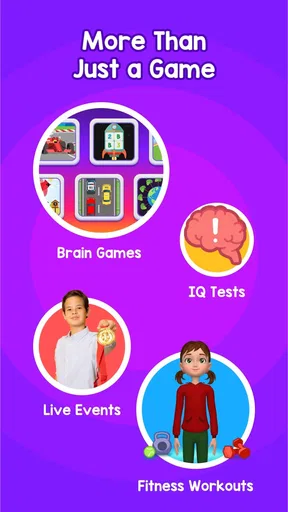
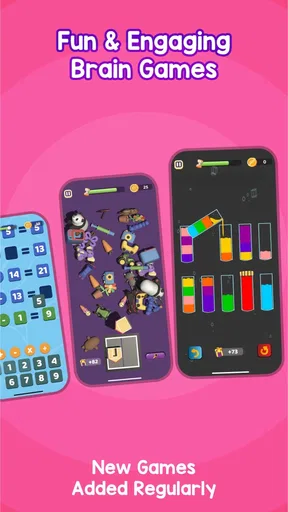
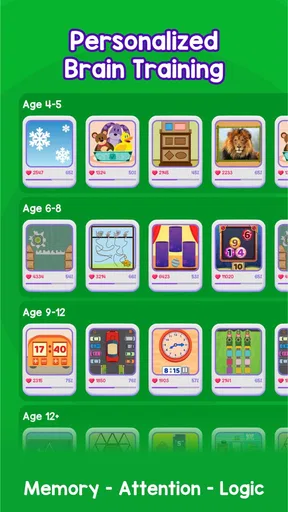
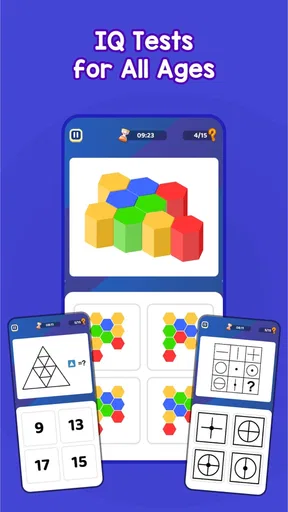
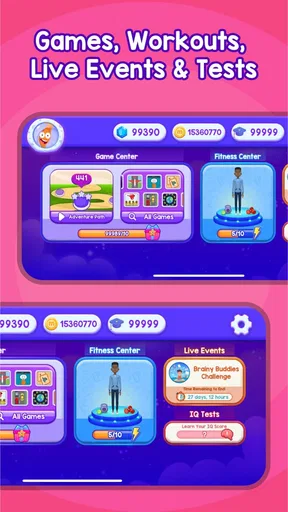
MentalUP offers a wide array of games that target different cognitive skills. We’re talking about everything from memory games to logic puzzles, and even attention-enhancing activities. The app categorizes these games into different skill sets, making it easy for parents to choose what they want their kids to focus on. I loved how the app seamlessly blends fun and learning, keeping my children engaged for longer periods.
Worth Reading Before You Choose

EA SPORTS FC Mobile 26 Is a Bigger Football Game, but It Takes Time

Flipboard Shows What News Apps Must Do Beyond the Feed

Switching to Android Auto Means Rethinking Your Driving Routine

Google Calendar Makes a Crowded Week Easier to Manage

Ludo King Makes the Most of the Minutes Between Plans

Baby Panda World Brings Quick Play to Modern Phones, but Its Game Library Feels Busy
Adaptive Learning
One of the coolest features is the adaptive learning technology. The app adjusts the difficulty of the games based on your child’s performance. This means the challenges grow with your child, ensuring they are always learning something new without getting overwhelmed. It’s pretty neat to see how the app personalizes the experience for each user.
Progress Tracking
MentalUP doesn’t just stop at providing games; it also offers detailed progress reports. As a parent, I found this feature incredibly useful. You can easily track your child’s development in various cognitive skills and see where they might need a little extra help. It’s like having a personal tutor at your fingertips!
Reading progress without adding pressure
Progress reports are most useful when treated as a conversation starter, not a verdict on a child’s ability. I would look for broad patterns over several sessions rather than react to one unusually good or difficult round. A child may be tired, distracted, or simply less interested in a particular task that day. If a report suggests a weaker area, I would try another activity and ask the child what they found challenging before deciding that extra practice is needed.
A practical tip is to keep sessions predictable and low-pressure. For example, let the child choose between two activities rather than asking them to repeat the one they found frustrating. That gives them some ownership while still keeping the routine short. If they start chasing badges or treating each result as a test, I would pause and reframe the goal as trying a puzzle, not proving anything. The app can make practice engaging, but an adult still sets the emotional tone around performance.
How it compares with familiar alternatives
Compared with general puzzle apps, MentalUP is positioned more explicitly around children’s cognitive activities and organizes play by skill areas. That can make it easier for a parent to select a type of challenge instead of browsing unrelated puzzles. A standard puzzle game may be preferable for a child who simply wants an open-ended pastime without progress-oriented framing. A school learning app is a better choice when the goal is practising a particular subject or following lessons that connect directly to classroom work.
The trade-off is that a focused brain-training app can make play feel like practice, which some children enjoy and others may resist. I would let the child’s reaction guide how often it appears in the routine. If they ask to play and remain relaxed when a task is difficult, it is serving its purpose. If they become anxious about results or lose interest, switching to a cooperative board game, outdoor activity, or ordinary reading is a better decision than pushing through more rounds.
Why Your Kids Will Love It
Alright, let’s get real. Kids can be brutally honest about what they like and dislike. But with MentalUP, my children were hooked. The games are designed to be short and sweet, perfect for those quick attention spans. Plus, the app rewards achievements with cute badges and trophies, which my kids couldn’t get enough of.
Safe and Ad-Free
Another big win for MentalUP is its commitment to a safe, ad-free environment. There are no pesky ads interrupting the fun, which gives me peace of mind knowing my kids aren’t accidentally clicking on something they shouldn’t.
Additionally, the app is completely kid-safe, so I don’t have to worry about inappropriate content. It’s a safe space for learning, which is a rarity these days.
Keeping rewards in perspective
Badges and trophies can help a child feel that a short session has a satisfying finish, especially when they are new to a game. I would use them as a light nudge rather than a reason to extend play. A useful boundary is to decide the stopping point before opening the app; that avoids turning a reward into a negotiation for “one more” round. If the child is more motivated by choosing the next activity than collecting achievements, let that preference lead.
Parents may also wonder whether the game is appropriate across ages. It carries an Everyone content rating, so its store age classification is broad. That does not mean every activity will suit every child equally: younger children may need help understanding instructions, while older children may want more depth or competition than a child-focused game provides. I would try it together first, then judge by whether the child can use it comfortably and stays interested without needing constant help.
Offline Mode
Let’s face it, we’re not always connected to Wi-Fi, especially on long car rides or flights. MentalUP allows for offline play, which is a lifesaver. My kids can continue their brain-boosting activities without a hitch, no matter where we are.
Choosing when to play offline
Offline access is particularly handy when you want to prepare an activity before a trip or avoid relying on a connection in a waiting room. I would test the app before leaving home rather than assume every part of the experience will be available offline. That small check helps avoid handing over a device only to discover that the activity you expected is not ready. For travel, it is also wise to download or open what you need in advance and keep a non-screen backup, such as a word game or a deck of cards, for variety.
The game has been available since April 5, 2017, and its current version is 7.7.8. It supports Android 6.0 and newer. Those details are useful when deciding whether an older device can run it, especially if you plan to use a family tablet set aside for children. The app has a 4.2 average from around 145,000 ratings and more than 10 million installs, which indicates a large audience, though popularity alone cannot tell you whether its activities will suit your child.
Final Thoughts
If you’re on the hunt for a brain-boosting app that your kids will actually enjoy, give MentalUP Brain Games for Kids a try. With its engaging design, wide variety of games, and educational value, it’s a great choice for parents and kids alike. Plus, it’s always refreshing to find an app that prioritizes learning and fun equally.
So, go ahead and check it out. You can easily download it from your app store, and watch as your kids dive into a world of learning and fun. Who knew brain training could be this entertaining?
My trust verdict
I would consider this a useful option for families who want short, child-oriented brain activities and are comfortable supervising how the app fits into screen time. The developer is MentalUP - Learning Games for Kids, and the game is free to start, but its in-app purchase range makes checking purchase choices an important part of setting it up. I would not buy anything just because a child likes the first few rounds; I would first see how consistently they use the activities and whether the free experience meets the family’s needs.
What remains unavailable to me is the detail needed to make stronger claims about how purchases affect access, how progress reports should be interpreted, or how the app handles family accounts and data. I would avoid guessing about those matters and check the app’s own current explanations before relying on it for a particular requirement. That is especially important if you are choosing it for a child who needs a specific accessibility arrangement or a tightly managed account setup.
My overall view is positive, with a clear boundary: it is a playful way to offer children cognitive puzzles, not a shortcut to measurable academic gains. Try a few sessions together, see whether the child enjoys switching between the different kinds of tasks, and set expectations about time and purchases early. If the child finds the format motivating, it can earn a modest place in the routine; if not, there are better ways to make that spare time worthwhile.
Pros
- Engaging and colorful interface.
- Wide variety of brain games.
- Tracks progress effectively.
- Safe
- ad-free environment.
- Supports multiple languages.
Cons
- Limited free features.
- Subscription can be pricey.
- Requires internet access.
- No offline mode available.
- Some games may be too easy.
FAQs for MentalUP Brain Games For Kids
What is MentalUP Brain Games for Kids?
MentalUP Brain Games for Kids is an educational app designed to enhance cognitive skills through fun and interactive games. It includes activities that improve memory, concentration, and problem-solving abilities, making it ideal for children. The app offers a variety of levels to cater to different age groups and skill levels.
Is MentalUP Brain Games for Kids safe for my child to use?
Yes, MentalUP is designed with children's safety in mind. It contains no inappropriate content and provides a child-friendly interface. Additionally, the app is ad-free, ensuring an uninterrupted and safe learning environment. Parental controls are also available to monitor and manage usage.
Can MentalUP Brain Games be used offline?
MentalUP requires an internet connection to access its full range of features, including updated games and progress tracking. However, some games may be available offline once initially downloaded. To ensure optimal performance and access to all content, a stable internet connection is recommended.
What age group is MentalUP Brain Games suitable for?
MentalUP is designed for children aged 4 to 13 years. The app offers a wide range of activities tailored to different developmental stages, ensuring that each child can find games that match their cognitive abilities and interests. The difficulty levels adjust according to the user's progress.
Does MentalUP Brain Games require a subscription?
MentalUP offers both free and premium versions. The free version provides access to a limited selection of games, while the premium version unlocks the full suite of activities and personalized progress tracking. Subscriptions can be purchased monthly or annually, with a free trial available to test premium features.


